
Staten Island Previous Resident Sources
Different sources answer different parts of an address history. A deed follows a transfer of land. A city directory can place a listed household or business at an address. A census shows a household on its enumeration date. A map can establish the street, lot, or building context. A prior household is best traced by combining those records in date order, not by treating any one source as a complete list of everyone who lived there.
| Source | Years It Covers | Where Held | What It Shows |
|---|---|---|---|
| Richmond County Clerk online land index | Earliest online year not stated | Clerk website | Recorded parties and instruments by BBL, party, or book and page |
| Richmond Clerk books and microfilm | Older period; exact range unknown | County records at 130 Stuyvesant Place | Deeds, mortgages, liens, releases, and legal descriptions |
| Trow and later directories | 1898 clue confirmed; full runs unknown | NYPL and SIHS | Listed occupants or businesses at an address and alphabetical cross-reference |
| Federal census | Released schedules under the 72-year rule | Census, NARA, NYPL, and SIHS | Household, age, birthplace, occupation, and address geography |
| 1907 atlas and Sanborn maps | 1907 atlas; 1898 Sanborn set | NYPL and Library of Congress | Road, lot, building, and street context |
| NYC building systems | Legacy and newer records; exact local starts unknown | NYC DOB public systems | Permit, filing, complaint, inspection, and occupancy information |
Start with the modern parcel for a recent question. For a much older question, a map and directory may establish the vocabulary before a deed or census search can succeed. Note: The Clerk's landing page does not state a safe earliest online-index year.
Staten Island Parcel Records and BBLs
The most stable starting key is the BBL, meaning borough, block, and lot. Use the NYC Department of Finance Property Information Portal to search an address, intersection, common place name, BBL, borough and block, condominium number, co-op number, REUC identifier, air lot, or subterranean lot. Keep the BBL with the exact street address and nearby cross streets. A street spelling or house number can change; the tax-map identity gives a stronger bridge to the Clerk's block-and-lot search.
A PIP parcel card can show tax class, building count, year built, stories, land dimensions, zoning, assessed-value history, exemptions, sales, mortgages, and district links. The site links parcel views to CityMaps and ZOLA. A tax mailing address, when present, is a notice destination and does not establish that its recipient lived at the Staten Island parcel. That distinction keeps the trail focused on evidence rather than assumption.
Staten Island Deed Records Backward
The Richmond County Clerk Land Documents Search is the Staten Island deed route, not ACRIS. Its landing page offers document number, party or company name, date range, block and lot, book and page, and book and page special modes. Begin with the current parcel and latest recorded instrument. A recorded party is a party to a land document, not proof that the person lived at the location.
- Save the modern address, BBL, tax-map information, and any legal-lot reference from PIP.
- Search the BBL or block and lot in the Clerk index and identify the latest deed's buyer, seller, recording date, document number, and book or page reference.
- Search that seller as a prior buyer in an earlier date range, then compare the legal description and any subdivision or plat reference.
- Repeat the seller-to-prior-buyer step, checking individual names, company names, initials, married names, and spelling variants.
- When the web index no longer reaches the needed period, move to Clerk books or microfilm and local archival finding aids rather than inventing an online cutoff.
- Grantor
- The person or entity transferring an interest in the recorded instrument.
- Grantee
- The person or entity receiving that interest; searching a prior owner as grantee helps find the earlier purchase.
- Chain of title
- The sequence of recorded transfers traced backward through the same parcel or legal description.
- Legal description
- The lot, block, subdivision, or other formal land description that can remain useful when a street address changes.
Mortgages, liens, releases, and satisfactions can confirm timing or a legal relationship, but they are not all transfers. Compare the instrument type and legal description before adding an entry to the ownership sequence.
Staten Island Directory Households
Deeds track land transfers. A historical occupant trail requires a second layer: the people listed at the address. Reverse or criss-cross directories move from street and number to a listed occupant or business, while the alphabetical section supplies the corresponding name entry. Search both halves of a volume. Preserve the exact spelling, notation, address, occupation, and page because one-year gaps can reflect an unlisted year, a move, illness, death, military service, or renumbering.
Pair each useful directory year with a released federal census. The directory supplies tighter annual continuity; the census records a household at the enumeration date. The local collection detail is gathered on the Staten Island Directory Book page. For a single address, record the source in a dated sequence: directory address, census place, map context, and then supporting obituary or deed evidence.
A practical flow is: modern address and BBL, then an older map or directory number, then the alphabetical household entry, then the closest released census. Search the name and address in both directions. A directory reference is evidence of a listing, not evidence that the listed person owned the parcel.
Staten Island Address Maps and Names
The Library of Congress 1898 Sanborn set has 104 Staten Island sheets. It can show the building footprint, construction or use, lots, streets, and nearby context. NYPL's 1907 street atlas and nineteenth-century atlas microfilm add another layer. These maps can show why an old address does not match a later parcel card, but maps do not identify a prior occupant or prove a transfer.
Old records may use Borough of Richmond, Richmond Town, a former town or village label, a farm or lot description, or a pre-modern street name. Search those labels with cross streets, former owners, and map geometry when a present-day number fails. Staten Island is also Richmond County, so use both terms in catalog and archive searches. Note: A Sanborn sheet can date a structure's presence, but it is not an ownership record.
Staten Island Permit Records
Building records can date a change at the address rather than identify everyone who lived there. NYC's legacy Buildings Information System and the newer DOB NOW public system divide the record trail. The systems can expose filings, permits, complaints, violations, inspections, certificates of occupancy, applicants, and licensees. A permit can date an addition or conversion. A complaint is an allegation or service record, while a violation or inspection is not a finding about every person connected to the address.
Check both systems because DOB NOW filings are not included in BIS. Keep the permit date separate from the deed date, directory listing, and census year. If the records show a changed structure or address description, return to the map and Clerk chain before treating the change as an occupant event.
Staten Island Archive Records Fallbacks
When the online trail stops, use the local reference route. Historic Richmond Town's research library lists Friday hours of 1-4 p.m. and asks visitors to check in at the Third County Courthouse and Visitor Center. Its WPA-era card project includes 47 drawers of “Vital Records of Staten Island Families,” with pointers to early deeds, probate, newspapers, churches, tombstones, family Bibles, and private papers. NYPL's St. George history collection adds directories, maps, newspapers, and census-related resources.
Richmond Supreme Court's department and law-library page is the source for this Staten Island court-record research image.
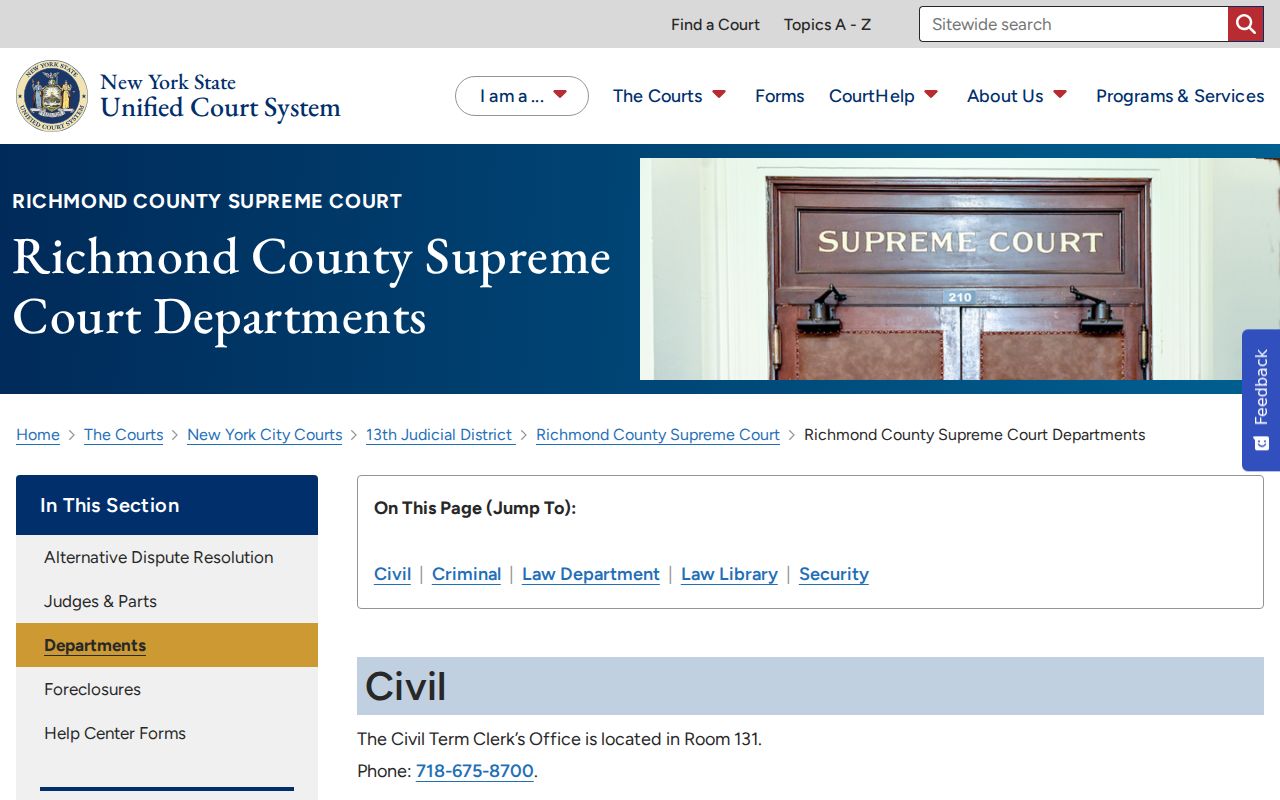
The law library has public computers and a microform reader on a first-come basis, with listed morning hours of 9:15 a.m.-1:00 p.m. Call before travel because security and copying rules affect a research visit.
Staten Island Estate and Obituary Records
Obituaries, cemetery records, and probate can explain why a former owner or listed household disappears from the trail. The Richmond County Advance covers 1886-1922 in NYPL's historic newspaper material. The Staten Island Advance is available on microfilm for 1921-2018, with a NewsBank index from 1991 onward. An obituary can supply a former name, family relationship, funeral home, cemetery, residence, or surviving heirs. Probate is estate evidence, however, not proof that an heir lived at the parcel.
New York's unclaimed-funds search is the source for this Staten Island estate-research reference image.
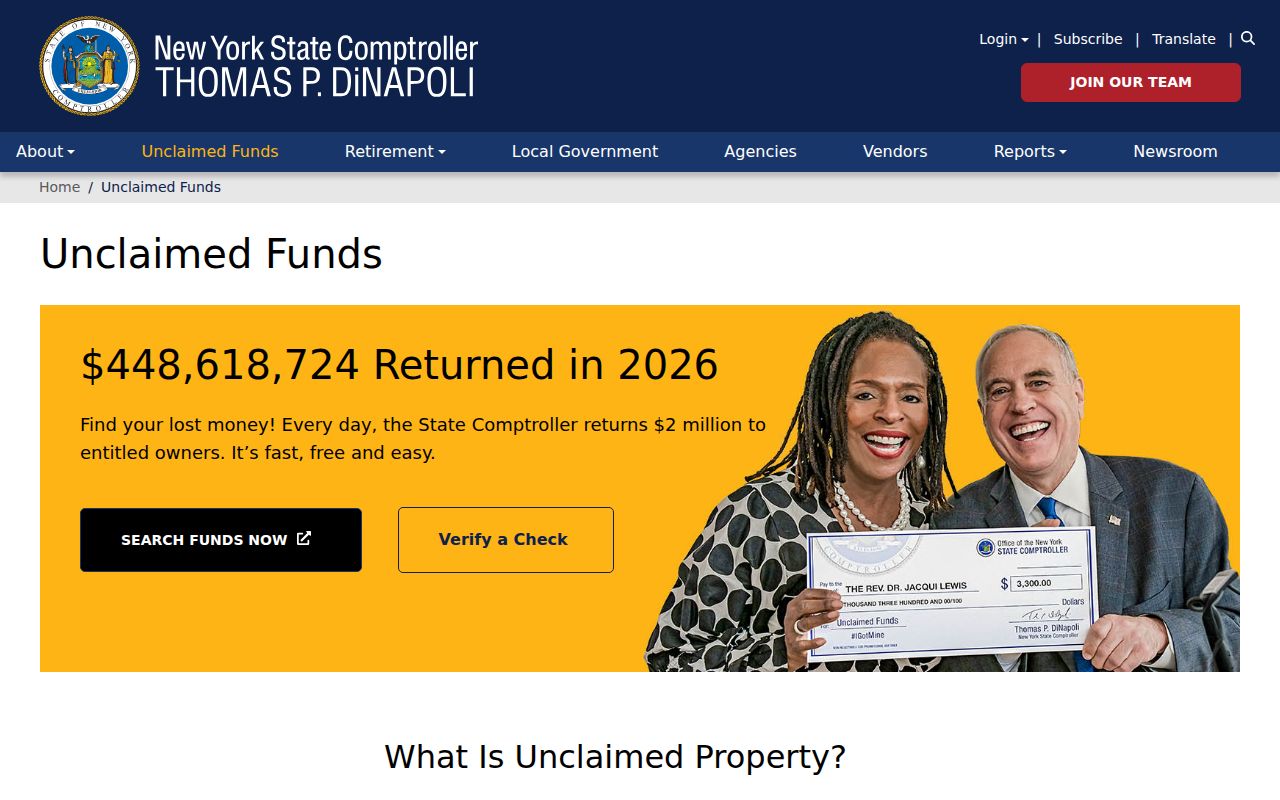
An unclaimed-funds result can connect a name to an old address or estate, but it requires claimant proof and is not an identity substitute. Use it only as a lead to test against the parcel, deed, and archive trail.
Staten Island Previous Resident Limits
The prior-resident trail has clear limits. A deed party may be an owner, estate, trust, company, lender, attorney, or trustee. A directory listing is limited to its publisher's coverage. Public records do not establish every person in a household, and protected addresses, sealed court records, vital certificates, utility accounts, and confidential voter registrations do not become searchable through an address history. Keep records of the terms searched and the custodian contacted so a later inquiry can reproduce the work.
New York Attorney General FOIL guidance is the source for this Staten Island access image.
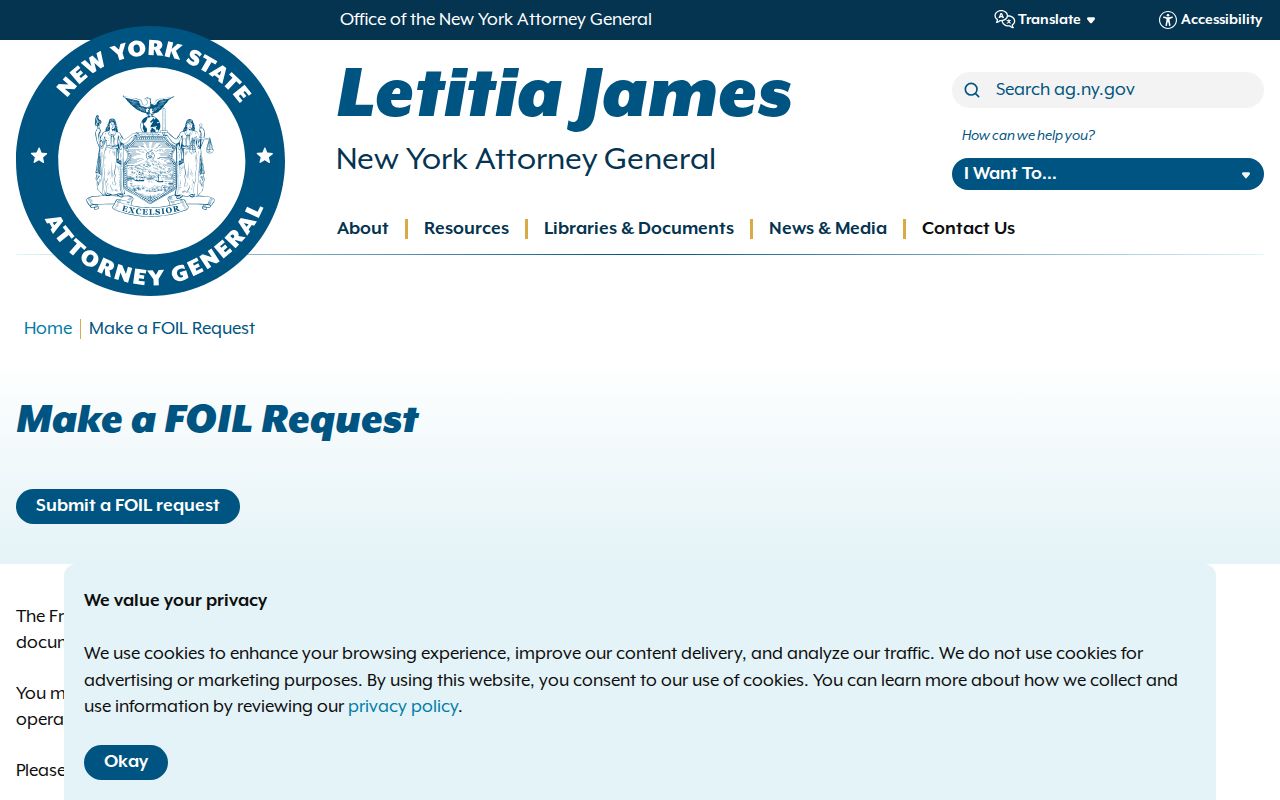
FOIL requests must reasonably describe existing agency records. They do not require an agency to create a resident history or provide records held by a different custodian.
New York State Department of Health FOIL guidance is the source for this Staten Island vital-records image.
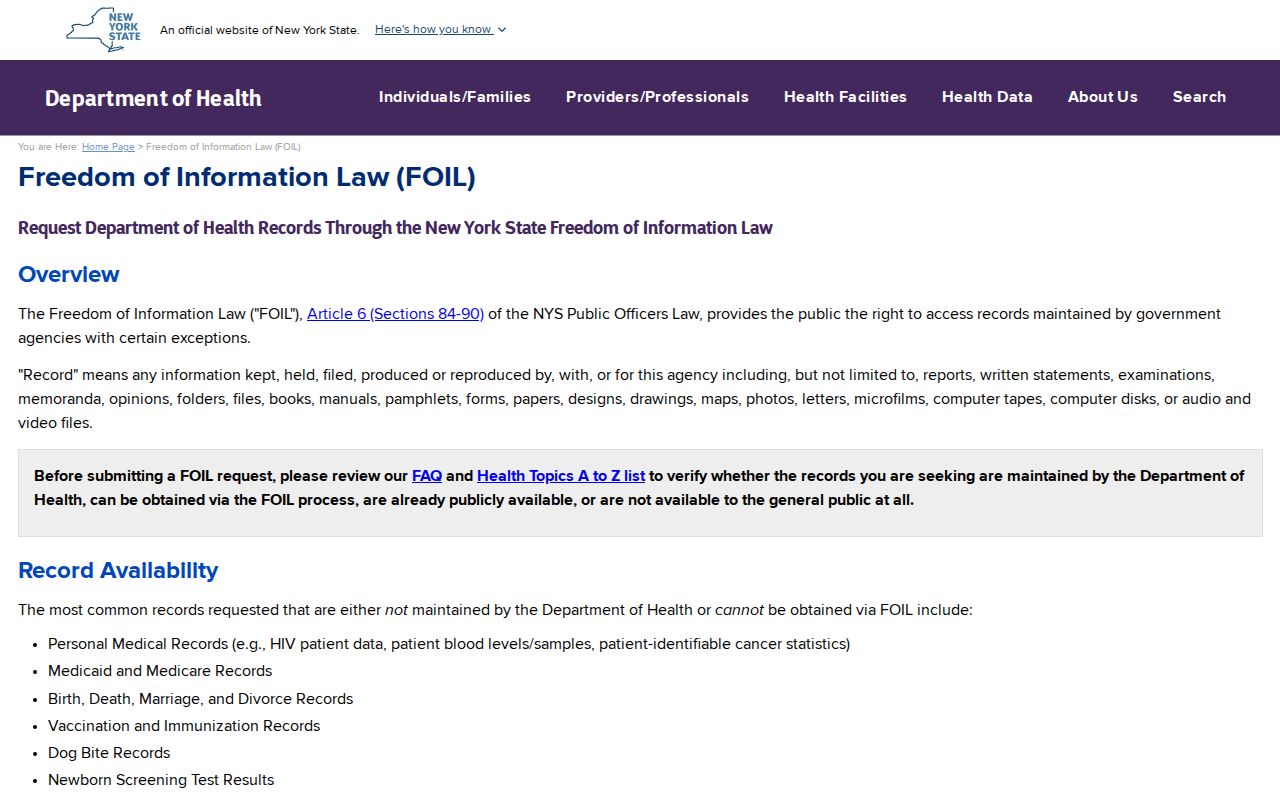
Vital certificates have their own access rules, and FOIL is not a route around them. NYC events are handled through the appropriate New York City custodian rather than the state non-NYC certificate system.
The Federal Bureau of Prisons inmate locator is the source for this Staten Island record-boundary image.
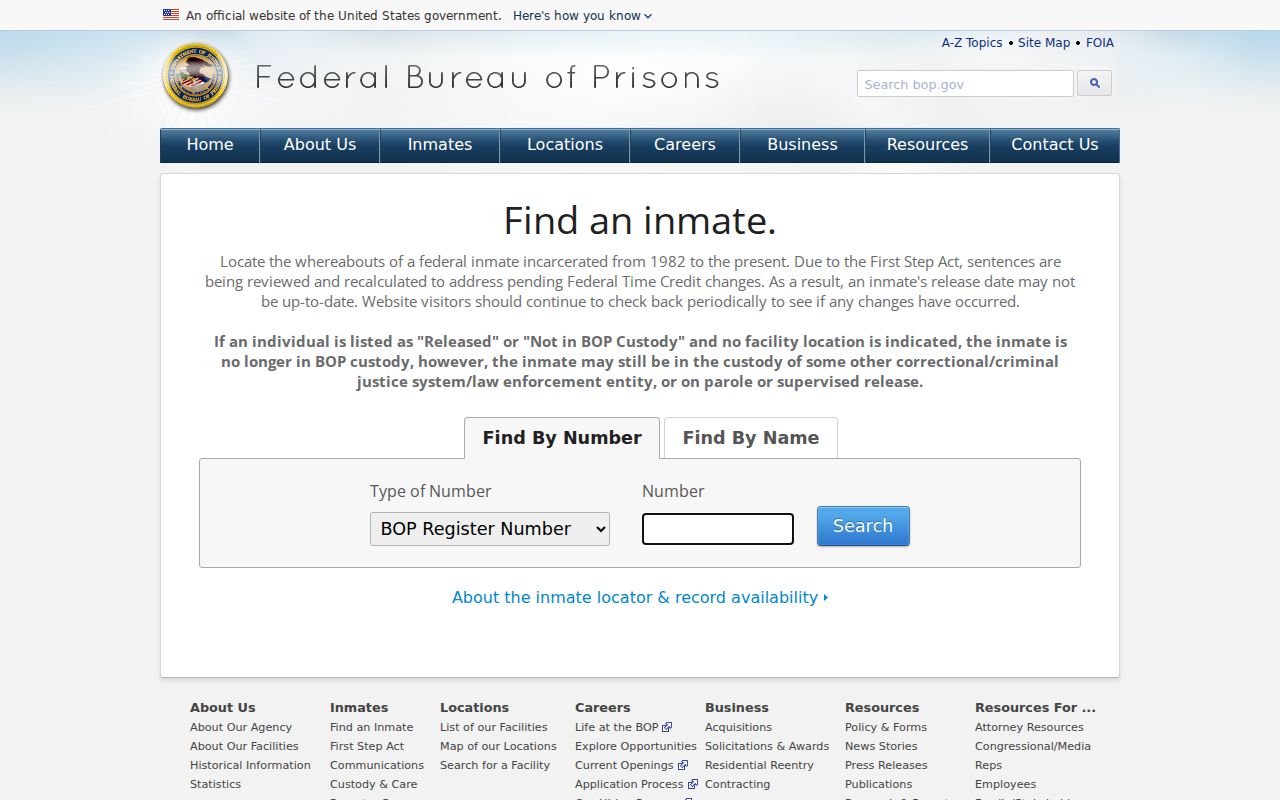
Federal custody status is not an address-history source and cannot establish a prior occupant. It is separate from the deed, directory, census, and archive record trail.
Lawful use. Use Staten Island past-resident records for family, property, and local-history research. Do not use historical or public information to harass, threaten, or track a living person.