
Staten Island Neighbors by Block
Finding Staten Island neighbors by block is an address-and-parcel task, not a bulk name search. Start with the physical parcel and move one adjoining lot at a time. Each record answers a different question. A map can show legal lot geometry and a building system can show an address-linked filing. The Clerk can show recorded document parties. Historical directories can put a person or business at an address in a particular year. They do not prove every member of a nearby household, nor do they turn a recorded owner into a current occupant.
| Source | What It Shows About a Block | Access |
|---|---|---|
| PIP map and borough-block search | Parcel cards, a highlighted tax block, and Tax Map History | Public web |
| CityMaps and ZOLA context | Land use, zoning, districts, and related map layers | Public map links |
| DOB Browse Block and Lot | Building profiles and address-linked filing context | Public BIS and DOB NOW paths |
| Richmond County Clerk BBL search | Recorded documents for each lot and their named parties | Web and counter, with an online-coverage gap |
| BOE district tools | Election-district geography, not a list of neighbors | Public web |
| NYPL and SIHS directories | Historical occupants or businesses by address | In-library and microfilm collections |
| Community boards and civic groups | Public contacts and events, where published | Organization contact channels |
Staten Island is coextensive with Richmond County, but neighborhood, postal, tax, and historic town labels do not always line up. Keep the exact street address with its BBL, ZIP, and any former town or village name. That small record trail prevents a map pin, a postal label, or a historical directory heading from being mistaken for a legal parcel description.
Mapping Staten Island Neighbors
The adjacent-parcel method begins with one BBL. PIP's map and card view can highlight a block after a borough-block search and expose Tax Map History. The research did not capture a public adjacent-parcel or buffer control, so work from the map rather than promising an automatic neighbor export. The legal lot and its frontage matter more than the rough center of a map pin. A complete block study is a repeatable, lot-by-lot process.
- Search the address in PIP and record its BBL, street frontage, lot depth, and displayed parcel context.
- Open or search each adjoining lot, then save that lot's BBL rather than relying on an approximate map location.
- Compare each parcel's public tax and recorded-document context, keeping an owner, a mailing contact, and a document party distinct.
- Use the Clerk's block-and-lot search when a transfer or legal description needs confirmation.
- Switch to the full Staten Island street directory only when the question expands beyond the immediate block.
Property records are strongest for parcel facts and recorded relationships. They are not a household census. A tax mailing address can be an office, bank, attorney, relative, or other property. A named grantee or grantor is a transaction party. The same caution applies to building applications, court documents, and historic address books.
Note: Save a date beside every block result because parcels, filings, and address labels can change over time.
Staten Island Neighbors on Parcel Maps
PIP connects parcel work to CityMaps and ZOLA, which add zoning, land-use, community-district, school-district, and other geographic context. The NYC Planning map and open-data resources can help explain why two addresses on the same short street sit in different mapped districts. That is useful context for a block, but it is not a resident record.
Use map layers to compare parcel edges, street changes, and land-use patterns. For an older block, a 1907 atlas or the 1898 Staten Island Sanborn set can show whether a road or structure existed before modern parcel and building systems. Those maps describe geography and construction context. They do not identify a present neighbor or prove ownership.
| Source category | Useful block context | Limit |
|---|---|---|
| Official parcel, map, and Clerk records | BBL, lot geometry, recorded parties, map history, and dated administrative context. | Each source is limited to its own record type and may not establish a current occupant. |
| Commercial neighbor-lookup category | May suggest an address-history lead from compiled public and marketing feeds. | Freshness and matching methods can be opaque; same-name merges and stale addresses need independent verification. |
For Staten Island neighbors, the official chain is more dependable because each fact can be traced back to a parcel, filing, court, or archive. Treat a compiled category result only as an unverified lead, never as a final account of a block.
Staten Island Neighbors and Building Records
Building records can add dates and administrative context to a block. The DOB Buildings Information System has property searches by house number and street, block and lot, BIN, and Browse Block and Lot. It also exposes separate complaint, violation, application, permit, license, and certificate-of-occupancy paths. BIS is the legacy system. Its own notice says that DOB NOW filings are not included, so an empty BIS result is not a complete building history.
| System | Block-oriented route | Important limit |
|---|---|---|
| DOB BIS | Block and Lot or Browse Block and Lot, with lot optional | Legacy records; DOB NOW filings are absent. |
| DOB NOW | Select Staten Island, enter block, then add a lot or review the possible-lot grid | Newer filings; dynamic fields should be checked live. |
The DOB NOW public portal permits public viewing without a user ID or password according to the agency manual. Its property profile, permits, and licensee information can date work or show filing relationships. A complaint is an allegation or service record, and a violation or inspection does not identify every person at an address.
Staten Island Neighbors and Voter Data
The NYC voter lookup is not a public block roster. It checks a known person's first name, last name, full birth date, borough, and ZIP code exactly as held in the voter record. It can help confirm a supplied identity combination, but it does not reveal ballot choices or invite reverse address searching. A non-match may result from a spelling, ZIP, apartment, borough, or registration-status difference. It does not establish that someone never lived on the block.
A full voter-file request has a different rule. The New York State Board of Elections requires a written request and an elections-purpose statement under Election Law section 3-103(5). Confidential registrations are not available to the public. District maps and enrollment totals can supply geographic or aggregate context, yet they do not identify a block's households. Keep personal identification and civic data within their separate legal boundaries.
Note: A district line locates an election area, not a list of Staten Island neighbors.
Staten Island Neighbor Community Contacts
Community information can add a human layer without turning a block into a member list. Staten Island's three official community-board districts offer public meetings, notices, and contact channels. Civic associations, congregations, block watches, veterans groups, fraternal bodies, and alumni organizations may publish event or contact information. The research did not locate a verified citywide inventory of local association rosters, membership procedures, or current association contacts. Do not infer that an organization has a public roster because it has a public event page.
Community Board 1
Official Staten Island community-board district with public civic contact and meeting functions, not a resident roster.
Community Board 2
Official Staten Island community-board district with public civic contact and meeting functions, not a member directory.
Community Board 3
Official Staten Island community-board district with public civic contact and meeting functions, not a household list.
For a historic community question, a public contact may point to an archive, a society, or a meeting record. It should not be used to guess private affiliation. A civic group's published contact details tell you how to reach the group, not who belongs to it.
Historical Staten Island Neighbors
Historical neighbors are best traced from address books, maps, census snapshots, newspapers, and estate records. The NYPL Staten Island History Collection has on-site local-history volumes, a 1907 street atlas, nineteenth-century atlas microfilm, and Staten Island Advance microfilm from 1921 through 2018. Its NewsBank index begins in 1991, and the collection also provides paths to earlier Richmond County Advance material. Search a street number first in a reverse or criss-cross source, then compare the name with an alphabetical entry, newspaper image, and map context.
Historic Richmond Town is another local research route. Its research library describes WPA-era card files, directories, newspapers, census microfilm, maps, and family materials, with Friday research hours and check-in at the Third County Courthouse and Visitor Center. Its card drawers index early deeds, probate, churches, cemeteries, newspapers, and family papers. That makes the collection especially useful when a modern web search is silent.
Directories can list a person, a business, or an office. Historic sources can also use Borough of Richmond, a former town, initials, an alternate spelling, or a widow notation. Pairing sources is vital. A directory entry is a dated lead, not a permanent claim about someone next door today.
Staten Island Neighbor Record Limits
Current-custody databases are also not a block directory. Staten Island does not have a county jail roster comparable to a small county sheriff source. The city and state systems concern custody status, which can change quickly, and neither one supplies a complete criminal history or establishes that a person lives near a target address. An absence from a custody search is not proof about a person or a block.
A captured view of the NYC Department of Correction Inmate Lookup shows the city's distinct custody channel.
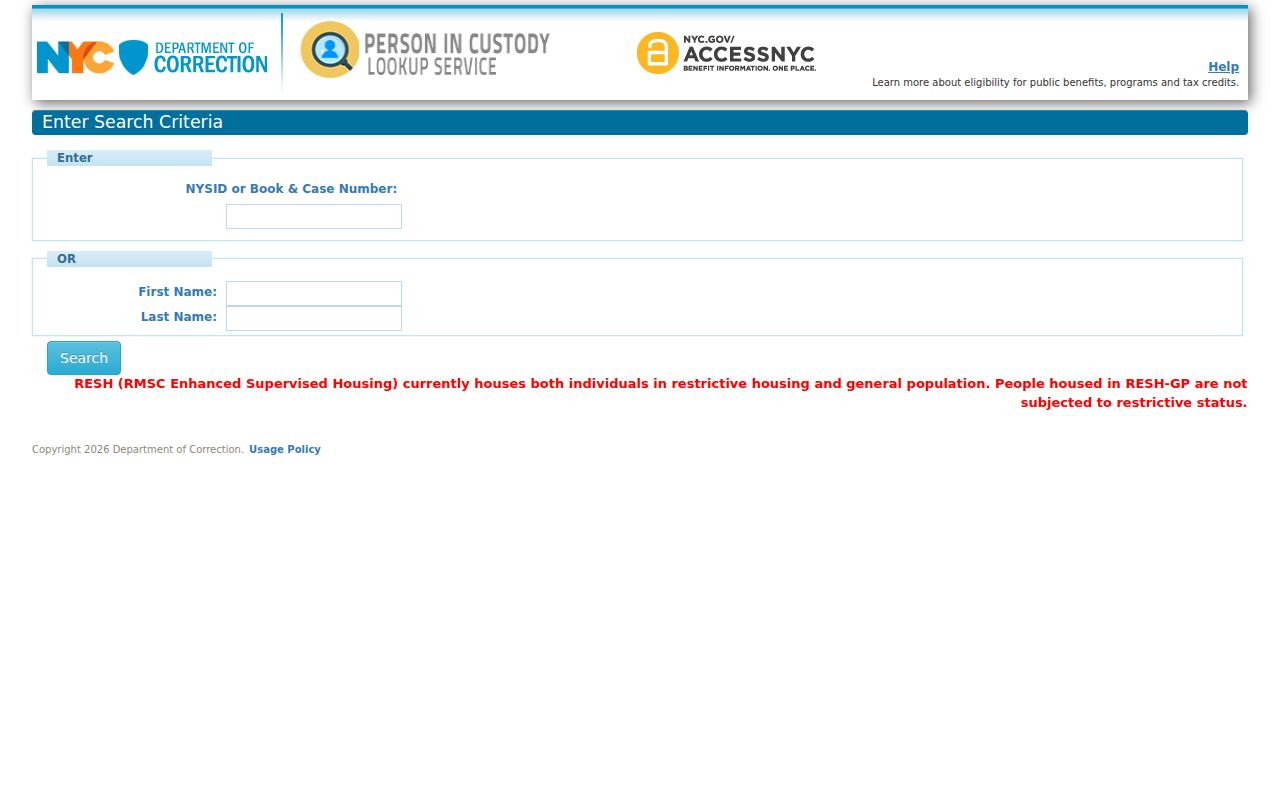
The result concerns permitted current or recent custody information, not a map of neighbors or a substitute for court records.
The NYS DOCCS lookup is a separate state-custody source.
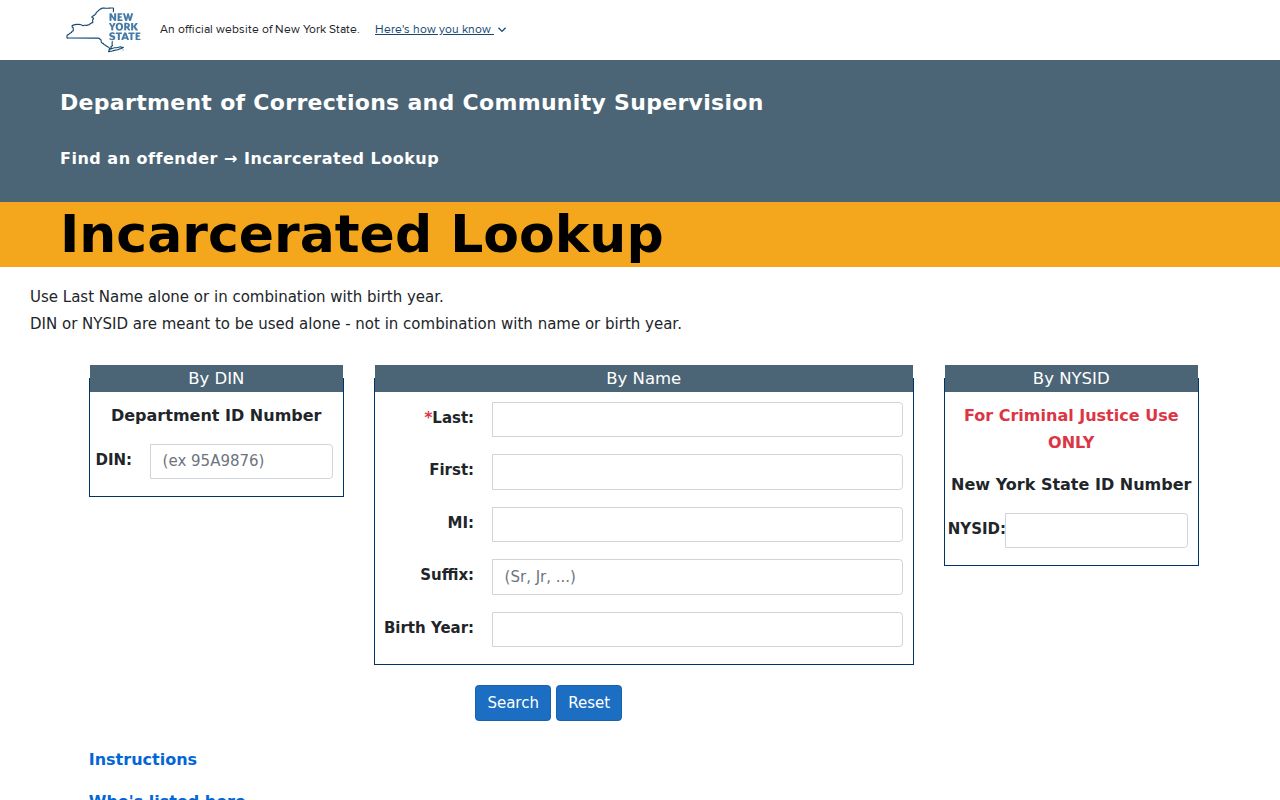
State supervision or custody information remains distinct from the NYC system and should never be used to infer a household relationship.
The VINELink service provides custody-notification context rather than resident information.
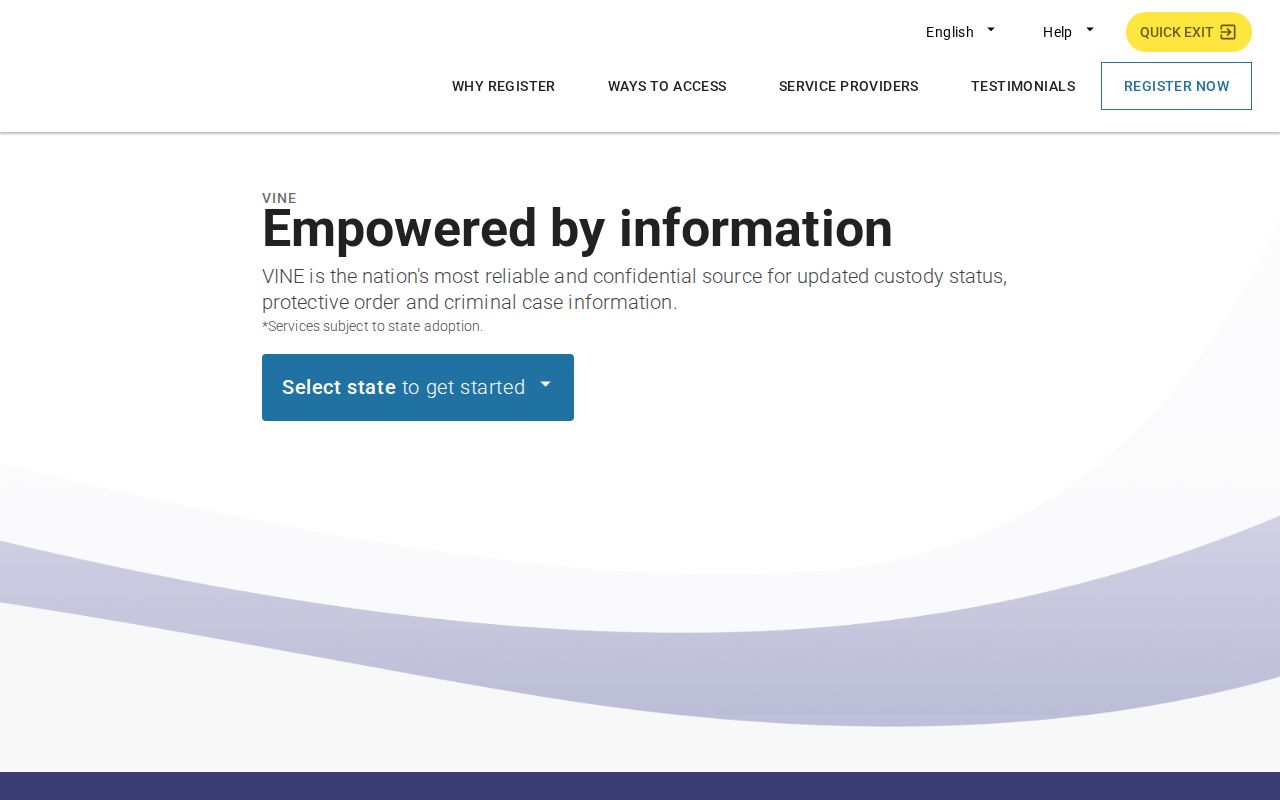
Check current service details through the official source and keep a custody result separate from property, voter, and family records.
Privacy for Staten Island Neighbors
Several kinds of block information remain private: people not named in a public filing, utility and delivery records, DMV addresses, sealed court and family matters, confidential voters, Address Confidentiality Program participants, and private membership lists. An adjacent parcel is not an adjacent household. A property owner is not every neighbor. The federal Driver's Privacy Protection Act protects DMV personal information, and public parcel or voter material is not a way around it.
The New York confidential-registration guidance describes a voter record kept separately and unavailable to public inspection or copying for four years except to election officials acting within their role.
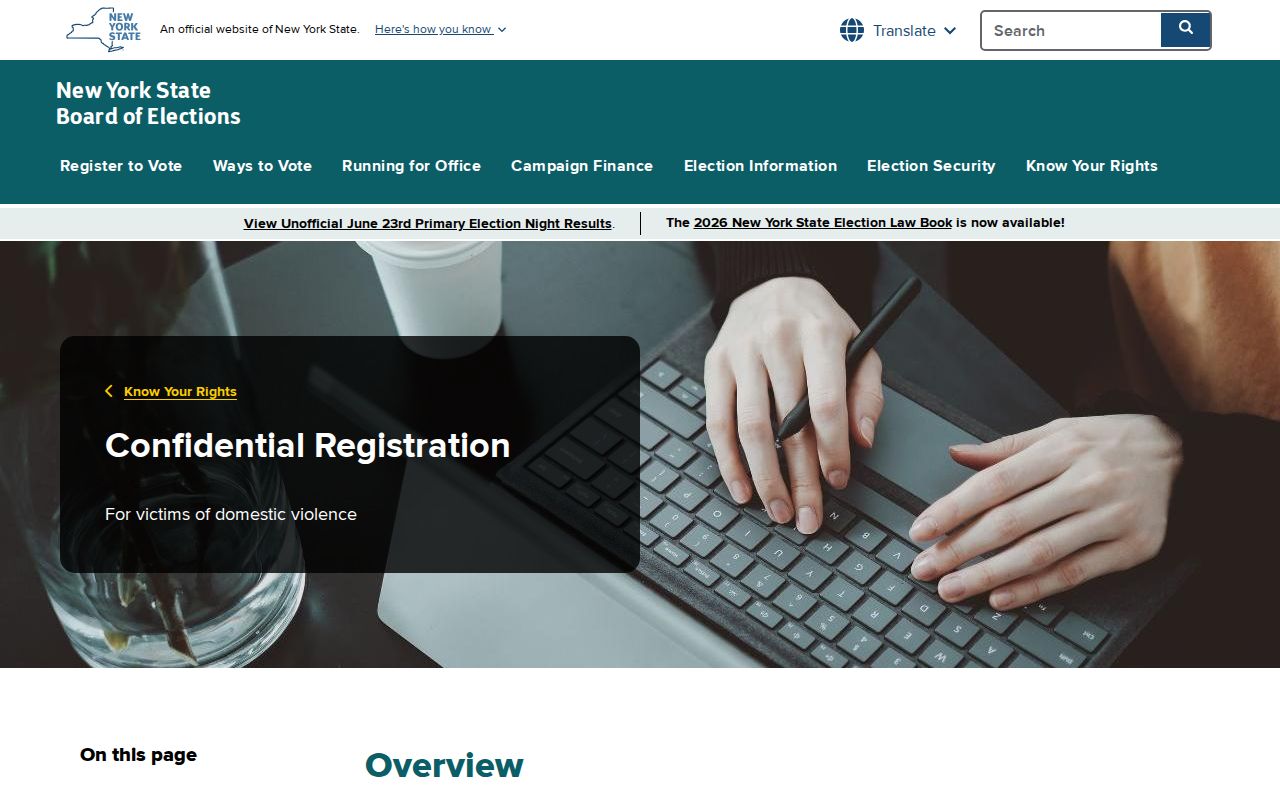
The protection can intersect with the state's substitute-address program. Do not attempt to derive a physical address from records that use a confidentiality label or substitute address.
Lawful use. Use records to understand a block, confirm a parcel, reconnect through appropriate public history, or address a civic question. Repeated use of records to watch, threaten, intimidate, or harass another person can be criminal under New York law.
The New York Address Confidentiality Program explains the substitute-address protection for eligible participants. Treat a shielded or absent result as a privacy boundary.